Pachinko
Exploring Pachinko in Tokyo and Osaka: A Unique Take on Arcade Play
Understanding the Core Idea of Pachinko
Pachinko is played on a vertical machine where small steel balls travel downward across a board filled with precisely placed pins. The objective is straightforward and easy to follow: guide the balls toward specific target areas that can release bonus balls or open additional chances to progress.
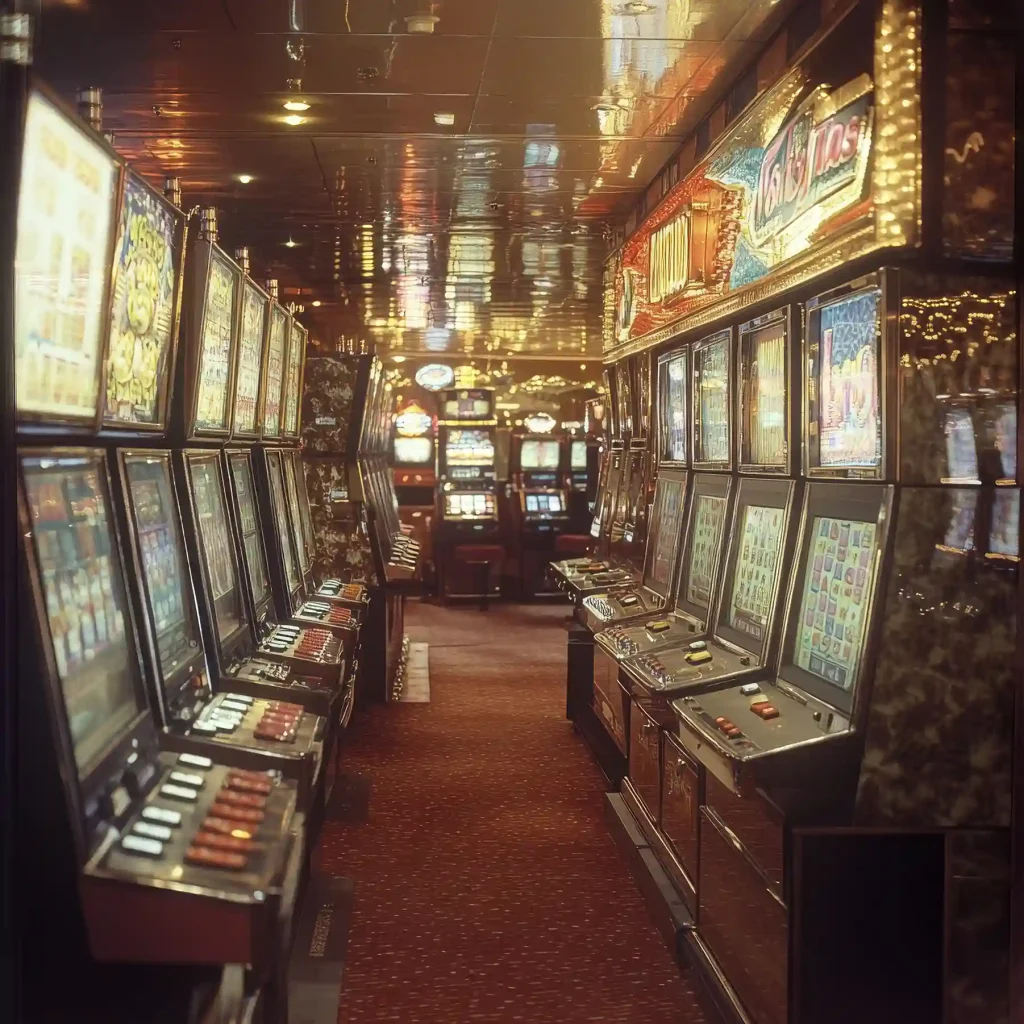
Pachinko in Tokyo and Osaka: Why Every Visit Feels Different
What separates pachinko from standard arcade-style games is the interaction between player choice and unpredictability. You decide when play begins and watch each movement closely, yet the outcome is never fully certain. This mix of control and surprise keeps sessions feeling varied, engaging, and enjoyable over time.
How Gameplay Unfolds
A session starts by releasing metal balls into the upper section of the vertical playfield. As they descend, the balls bounce between pins, change direction, and form a steady, flowing motion that many players find relaxing to watch. The most exciting moments happen when balls reach special zones, activating rewards such as extra balls or added credits.
The Role of Player Influence
While chance remains an important factor, experience allows players to gain a small degree of influence. Subtle adjustments to timing and release strength can slightly affect how the balls move. Since each machine has its own pin layout and behavior, this limited control creates a sense of involvement and gradual learning.
Progress and Rewards
Successful outcomes may lead to additional balls or reward items that can be saved and exchanged later. This layered approach gives each session a sense of continuity beyond a single round. As a result, pachinko offers more depth than a brief arcade activity, encouraging ongoing enjoyment across multiple visits.
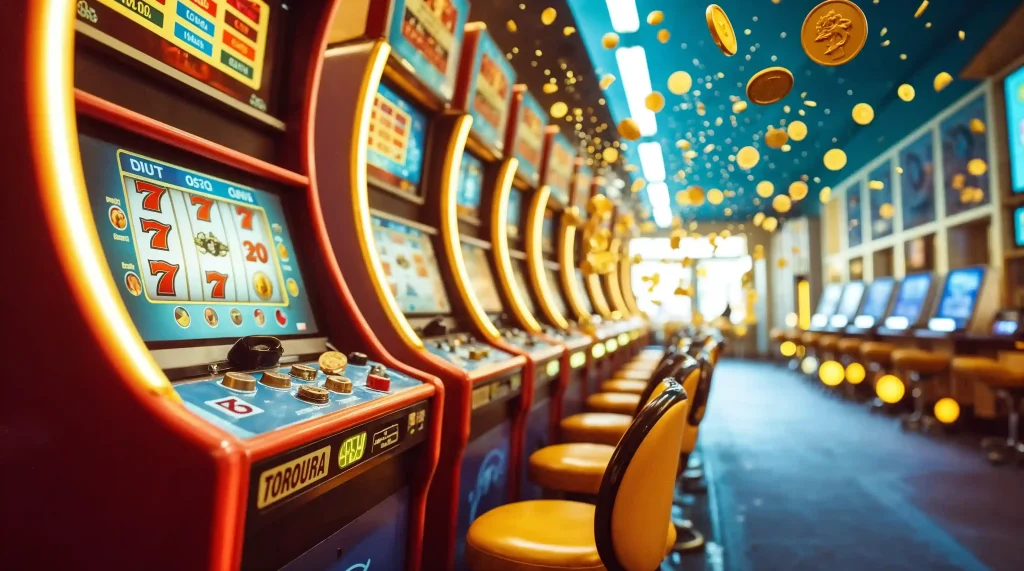
The Origins and Early Development of Pachinko
Pachinko began to form in the early twentieth century, influenced by simple pin-style amusement games introduced from abroad. These early ideas were gradually reshaped to match local preferences, laying the groundwork for what pachinko would later become. In its earliest form, the game was largely aimed at younger players and designed for brief, casual enjoyment rather than extended or complex play.
From Simple Concepts to a Richer Experience
As time passed, pachinko evolved steadily. Machine construction became more sophisticated, pin layouts grew increasingly detailed, and new mechanical elements were added. The later introduction of electronic features further expanded the experience. What started as a modest pastime slowly transformed into a more engaging activity, encouraging longer visits and greater involvement from players.
Pachinko in Tokyo and Osaka: The Rise of Modern Halls
With leisure activities becoming more accessible during periods of broader social change, pachinko established itself as a familiar part of everyday entertainment. Ongoing technological progress led to larger venues and more expressive designs, shaping the modern halls seen today. In major cities such as Tokyo and Osaka, pachinko spaces developed into dynamic, well-organized environments that reflect both the game’s historical origins and its continuous evolution.
Designed With Care and Accuracy
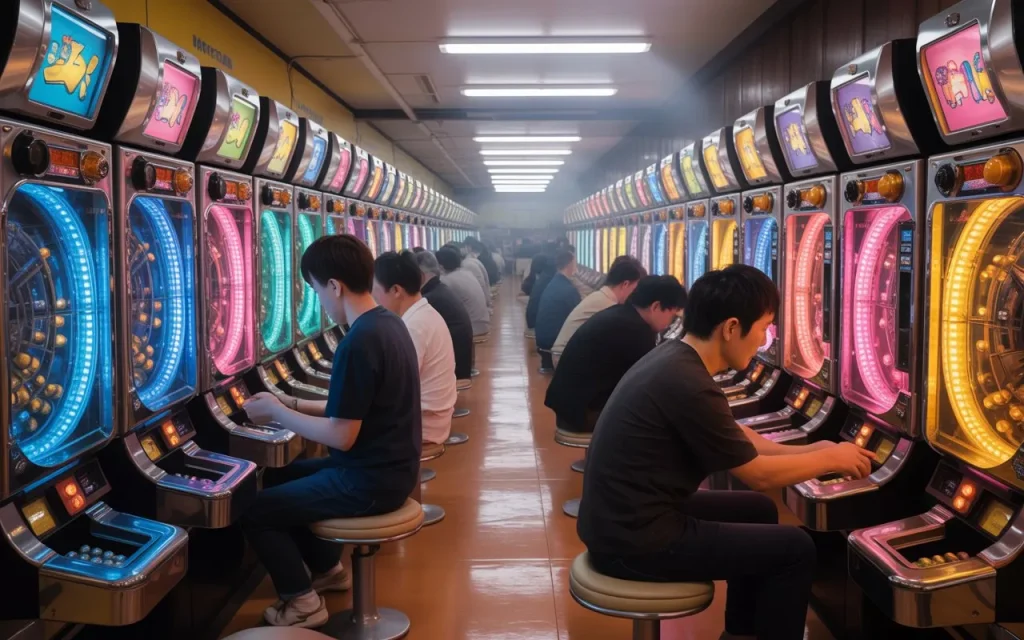
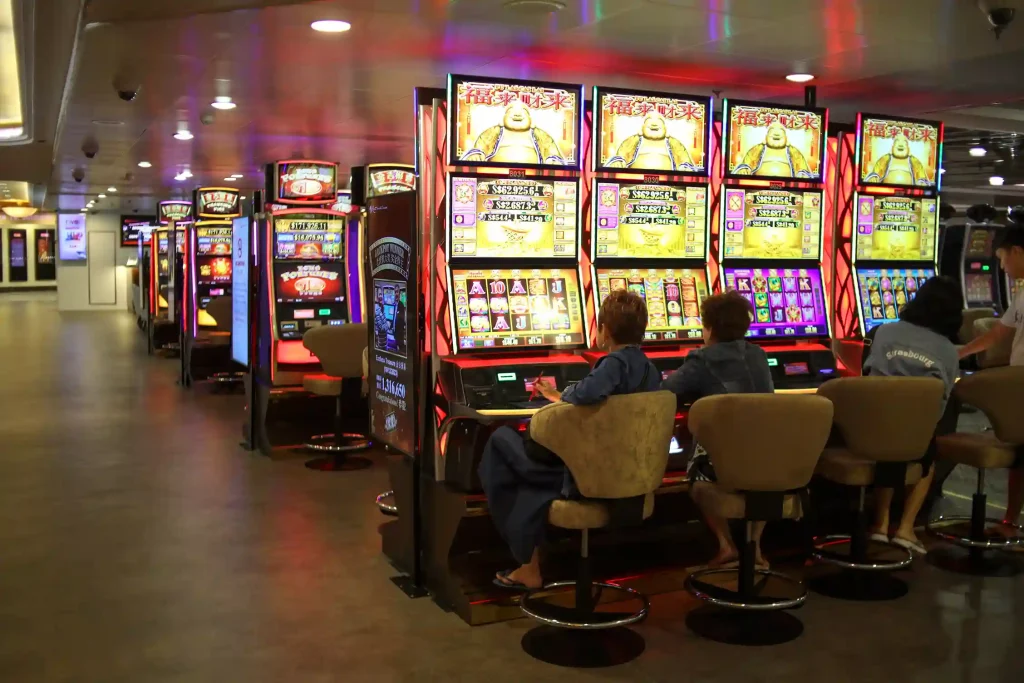
Every pachinko machine is created with a high level of precision, featuring numerous carefully positioned pins. These guide the steel balls across the surface, combining basic physical motion with small, unpredictable shifts in direction. Because outcomes can never be fully foreseen, each round feels unique, engaging, and interesting to follow.
A Social and Energetic Setting
Pachinko halls go beyond individual play. They function as shared spaces where visitors naturally watch each other, exchange short remarks, and take part in the same lively atmosphere. This collective presence adds a social dimension that can make even brief visits feel more engaging and connected.
A Structured Sense of Progress
The reward system adds purpose to each session. Favorable results may lead to items or tokens that can be exchanged later, creating a clear sense of progression. This structure helps keep the experience focused and meaningful, rather than feeling random or disconnected.
More Than Entertainment: A Cultural Practice
Although pachinko was influenced by ideas from beyond Japan, it gradually developed an identity of its own. Over time, it adapted to local leisure culture, placing greater emphasis on relaxed participation and shared enjoyment instead of direct competition. Today, pachinko continues as a living tradition—evolving with the times while remaining closely tied to its cultural and social roots.
Pachinko in Tokyo and Osaka: How It Stands Apart From Traditional Arcade Games
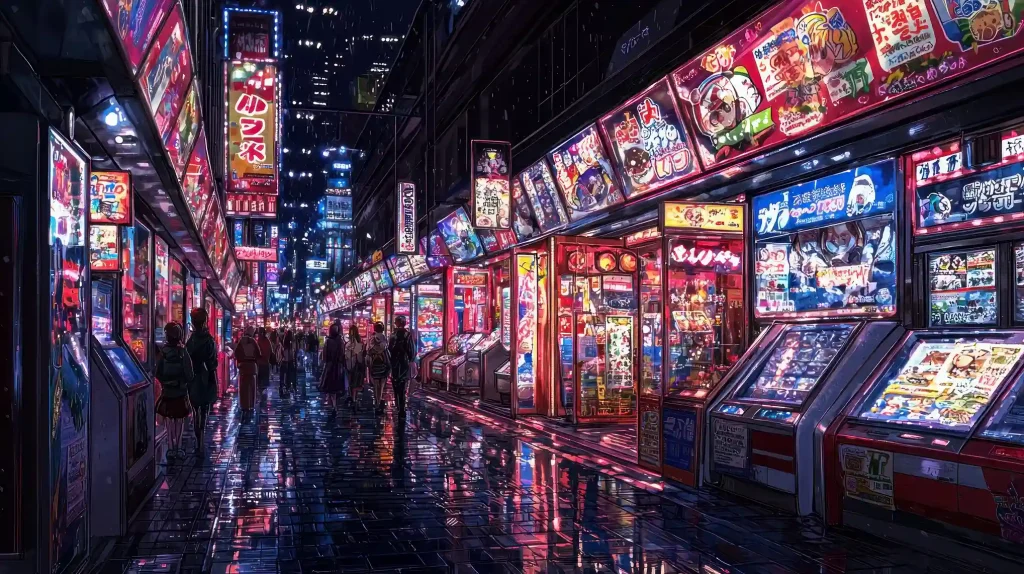
At first sight, pachinko might resemble familiar arcade entertainment, but the experience works in a very different way. Instead of focusing mainly on digital inputs, pachinko is shaped by real, physical motion. Steel balls move naturally under gravity, strike pins, and interact with mechanical parts that guide their journey. Because these movements are physical and constantly shifting, no two rounds unfold in exactly the same way.
Player participation is ongoing rather than passive. Rather than pressing a single control and waiting for an outcome, you influence the flow of the balls, follow their movement, and watch how the machine responds in real time. Much of the appeal lies in observing this motion, sensing timing changes, and learning how each machine’s layout creates its own personality.
The Foundation of Pachinko Play
At its core, pachinko is built around tangible mechanics instead of purely visual effects. Once released, the steel balls travel through tightly arranged pins, where even small changes in angle or speed can alter the result. Since the path is never fully predictable, each session feels fresh and engaging.
A thoughtful balance between machine design and pin placement keeps the experience consistent while allowing natural variation. This blend of structure and unpredictability gives pachinko its unique rhythm and clearly separates it from most standard arcade-style games.
How Pachinko Has Changed Over the Years
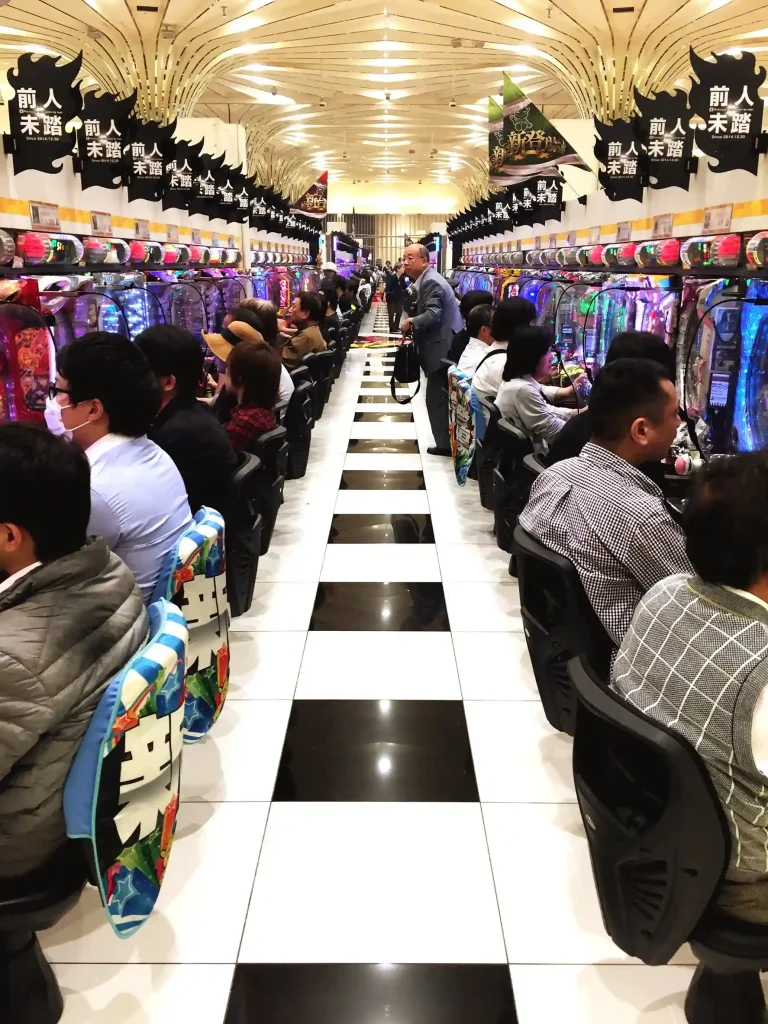
Contemporary pachinko machines reflect a noticeable evolution from their earlier counterparts. Modern versions commonly feature enhanced electronics, animated screens, and refined interaction systems that add greater motion and visual depth to each session.
Despite these updates, the fundamental design has stayed largely the same. Metal balls, pin-guided pathways, and the recognizable vertical layout still form the core of every machine. New themes, visual effects, and additional functions are layered onto this traditional base, allowing pachinko to embrace modern technology while preserving the character that has defined it for generations.
Cultural Perspectives
★★★★★
“Pachinko brings together smart mechanical design and interactive elements in a way that feels deliberate and well thought out. It’s an experience that stays engaging even with repeated visits.”
Arcade Culture Editor
★★★★★
“The gentle movement of the balls, combined with a shared public setting, creates a social dynamic that clearly distinguishes pachinko from standard arcade formats.”
Entertainment Industry Analyst
★★★★★
“After understanding the basics, the charm of pachinko becomes clear. The balance between chance, player participation, and a calm competitive feel makes each session consistently enjoyable.”
Culture & Lifestyle Reviewer
Pachinko in Tokyo and Osaka: Everyday Play Within a Wider System
Pachinko functions as part of a clearly organized framework where each moment of play connects to a larger process operating in the background. During a session, balls collected are exchanged at designated counters for specific tokens, which can then be used to access items or continue participation. This layered structure gives each visit continuity, turning individual sessions into part of an ongoing flow rather than standalone experiences.
Beyond the machines themselves, this framework supports a broad network of people and services. From machine design and maintenance to venue oversight and daily coordination, many roles work together to keep operations running smoothly. The system is built for long-term stability, balancing the needs of visitors with the responsibilities of those who manage and maintain the environment.
Socially, pachinko halls often become shared spaces where people from different routines naturally cross paths. Regular visits, familiar faces, and brief exchanges help create an atmosphere that feels more personal than typical entertainment settings. Over time, these patterns can lead to informal communities shaped by consistency and repeated presence.
Pachinko’s role extends beyond recreation alone. It contributes to manufacturing, logistics, and service-oriented work, supporting steady activity across multiple sectors. Today, pachinko remains a carefully structured system—combining engaging play with organized processes—allowing it to stay active, dependable, and relevant over time.